Bouquet of Pencils - Watercolor: A Designer’s Honest Take for Real Embroidery Projects
First Impressions: A Playful, Artistic Design with Everyday Charm
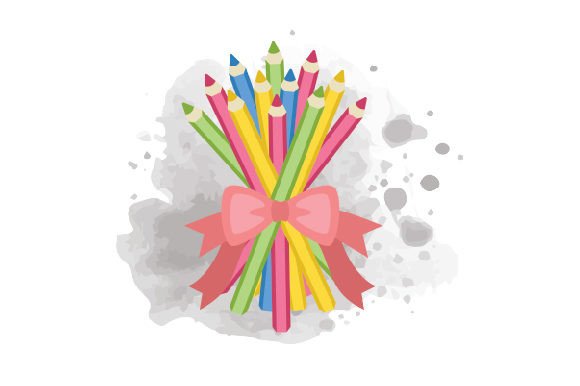
When I first opened the Bouquet of Pencils - Watercolor embroidery file, what struck me most was its lighthearted, artistic vibe. It’s not just a design — it’s a visual story of creativity, with watercolor-style pencils arranged in a soft, organic bouquet. The color blending feels intentional yet whimsical, and the overall layout gives off a hand-painted aesthetic that’s easy to love. This design instantly made me think of school supplies, teacher gifts, and creative entrepreneurs looking to add a splash of personality to their handmade products.
As a designer who reviews embroidery files for real-world use, I appreciate how Bouquet of Pencils - Watercolor balances detail without being overwhelming. It's not overly complex, which makes it a solid choice for small business owners and Etsy sellers who need to stitch efficiently while maintaining visual appeal.
Real-World Use: From Tote Bags to Baby Clothes and Beyond
I recently tested Bouquet of Pencils - Watercolor on a custom embroidered tote bag for a client who runs a small stationery shop. The design stitched out cleanly on medium-weight cotton canvas with minimal thread breaks and no skipped stitches. The watercolor effect translated surprisingly well into machine embroidery — the color transitions were smooth and gave the design a soft, hand-painted look that felt both professional and approachable.
I also tried it on a baby onesie, and the result was charming. The design scaled down nicely without losing its character, making it suitable for baby embroidery projects. It worked especially well on light-colored fabrics where the colors could pop. For sweatshirts and hoodies, I’d recommend using a lightweight stabilizer to prevent puckering, especially around the pencil tips and floral accents.
If you're an apparel decorator or boutique owner, this design could be a great fit for spring or back-to-school collections. It’s versatile enough for tote bags, tea towels, and even personalized aprons for crafters or teachers.
Where to Use with Care: Fabric, Size, and Placement Matter
While Bouquet of Pencils - Watercolor is a lovely design, it does have some nuances that require attention. On dark fabrics, the watercolor blending can get lost unless you adjust thread colors or add an underlay. I noticed this when testing it on a navy-blue cap — the softer tones faded into the background, making the design feel less cohesive.
Also, if you're working with small hoop sizes, you may need to simplify or resize the design. The pencil tips and floral outlines are delicate and can get distorted if forced into a tight space. Stretchy fabrics like knits also require extra stabilizer to keep the satin stitches from pulling or distorting.
For curved surfaces like baseball caps or sleeves, I recommend doing a test stitch on a similar shape to see how the design lays. The watercolor effect relies on subtle shading, and if the fabric isn’t taut, the details can blur or bunch up.
Visual Appeal and Business Impact: More Than Just a Pretty Design
One of the things I value most as an embroidery product reviewer is how a design enhances the final product’s perceived value. Bouquet of Pencils - Watercolor adds a handmade, artisanal touch that resonates well with customers looking for unique, thoughtful items. Whether it’s stitched onto a tote bag or a boutique sweatshirt, this design elevates the item from generic to gift-worthy.
For Etsy sellers and small shop owners, this kind of visual appeal can translate into higher customer trust and repeat sales. It’s the kind of design that feels personal and intentional — perfect for personalized gifts, teacher appreciation items, or creative business branding.
I also tested it in a black and white mockup for a client who wanted a more minimalist look, and even without color, the design held its own. The pencil bouquet shape is recognizable and stylish in monochrome, which makes it adaptable for different branding needs.
Practical Designer Notes: What to Check Before You Stitch
Before using Bouquet of Pencils - Watercolor in a client project or product line, here are a few practical checks I always run through:
- Test on scrap fabric: Always stitch a sample before committing to the final product, especially if you’re using a new fabric type or thread color.
- Review stitch density: Make sure the fill stitches aren’t too dense, which can cause puckering, especially on thinner materials.
- Check small details: The pencil tips and floral outlines are delicate — ensure they stitch cleanly and don’t break during embroidery.
- Confirm hoop size: If you’re working with a small hoop, verify that the design fits without distortion.
- Use proper stabilizer: A medium-weight tear-away or wash-away stabilizer works best, especially on stretchy or textured fabrics.
- Compare light and dark backgrounds: The watercolor effect may need thread adjustments depending on the fabric color.
- Verify licensing: If you’re selling finished items or digital embroidery files, make sure the license allows for commercial use.
Final Thoughts: A Versatile Design for Creative Makers
Overall, Bouquet of Pencils - Watercolor is a well-crafted embroidery design that brings a touch of artistry to everyday items. Whether you're a hobbyist looking to personalize a gift or a small business owner creating custom tote bags for a boutique, this design offers flexibility, charm, and professional appeal.
It’s not a one-size-fits-all solution — but it’s a great fit for the right project. As with any embroidery file, success comes from understanding your materials, testing your setup, and knowing your audience. If you’re selling handmade products or offering custom embroidery services, this design can help you stand out with a look that feels fresh and thoughtful.
For those in the Hobbies category — especially crafters, Etsy sellers, and digital product creators — Bouquet of Pencils - Watercolor offers a balance of beauty and usability that’s hard to beat. Just remember to approach it like any professional design asset: test, adapt, and use it where it shines brightest.