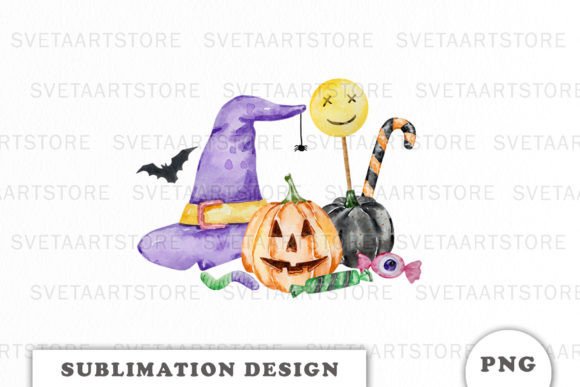
Halloween Pumpkin Sweet Treats PNG: A Stitcher’s Review
As an embroidery designer who has spent countless hours testing digital files before they ever touch a needle, I approach every new asset with a healthy dose of skepticism. When I first opened the Halloween Pumpkin Sweet Treats PNG, I wasn't just looking for cute aesthetics; I was evaluating its structural integrity for real-world production. In the world of Crafts, a pretty screen image does not always translate to a clean stitch-out. However, this design immediately struck me as having the potential to be a versatile workhorse for autumn inventory, provided it is handled with the right technical considerations.
First Impressions and Visual Personality
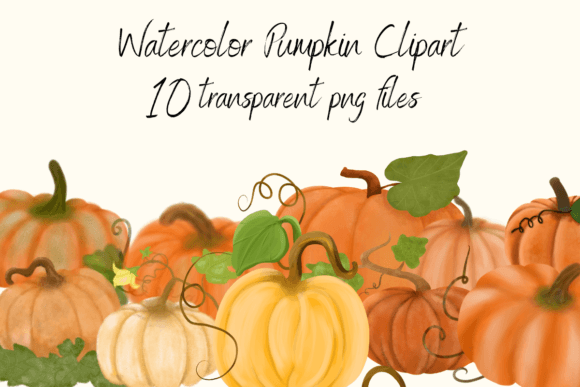
The initial mood of the Halloween Pumpkin Sweet Treats PNG is undeniably nostalgic yet crisp. It avoids the overly grungy or distressed look that can sometimes cause registration issues in machine embroidery. Instead, the lines appear deliberate and confident. For a maker, this is crucial. The visual personality feels balanced—playful enough for children’s wear but refined enough for adult apparel or home decor. As I zoomed in on the file, the separation between the pumpkin elements and the sweet treat accents seemed distinct, suggesting that color changes would be manageable rather than tedious. This clarity is essential when you are planning a production run for an Etsy shop and need to minimize thread breaks and trimming time.
Real-World Application: The Custom Sweatshirt Test
To truly judge this design, I mentally placed it in a specific scenario: creating a custom embroidered sweatshirt for a boutique holiday collection. Fleece and French terry fabrics are notorious for swallowing fine details due to their texture and loft. When evaluating the Halloween Pumpkin Sweet Treats PNG for this application, I focused on how the design would sit on a textured surface.
If this were a standard fill stitch design, I would worry about the fabric pushing through. However, assuming this PNG serves as a guide for an applique design or a digitized pattern with adequate underlay, it holds promise for sweatshirt embroidery. The shapes appear bold enough to accommodate a satin stitch border without getting lost in the fleece nap. For a small business owner, this means the finished product will have that professional, raised texture customers associate with high-quality handmade goods rather than flat, factory-made prints. The design’s layout also suggests it would center beautifully on a chest placement or as a larger back piece, making it a strong candidate for personalized gifts where visibility is key.
Navigating Fabric Challenges and Hoop Limitations
While the design shows great promise, practical experience dictates caution in certain areas. Not every embroidery project is created equal, and the Halloween Pumpkin Sweet Treats PNG requires strategic placement depending on your substrate.
- Stretchy Fabrics: If you are applying this to baby clothes or performance tees, you must verify the stitch density. Knits require flexibility; if the design is too dense, it will create a bulletproof patch effect that pulls the garment out of shape. Always test on scrap fabric with the same stretch percentage as your final product.
- Small Hoop Sizes: Resizing is often necessary for 4x4 hoops or cap frames. Be wary of shrinking this design too much. If the sweet treat details include tiny text or thin running stitch elements, reducing the size below a certain threshold may cause those details to merge or disappear entirely. Check your software’s minimum stitch length settings before committing.
- Dark vs. Light Fabrics: The contrast is vital. On dark fabrics, ensure the design includes sufficient white underlay or outline definition so the orange pumpkin tones don't vibrate visually against black or navy. On light fabrics, verify that the thread colors have enough saturation to prevent the design from looking washed out after laundering.
- Curved Surfaces: For caps or tote bag side panels, the horizontal span of the design matters. A wide pumpkin layout might distort on a curved cap frame. In these cases, consider using the design for flat items like pillow covers or aprons instead.
Commercial Viability and Customer Perception
For Etsy sellers and creative entrepreneurs, the value of a digital embroidery file lies in its ability to convert viewers into buyers. The Halloween Pumpkin Sweet Treats PNG contributes directly to product value by offering recognizable, seasonal appeal without being generic. When customers browse listings, they are looking for professionalism. A clean, well-executed stitch-out based on this design signals trust.
I recommend using this design to create printable mockups before stitching. Place the PNG over photos of blank sweatshirts or tote bags to see if the scale feels right. Does it look proportional? Is the negative space balanced? These digital previews save hours of hooping time. Furthermore, if you plan to sell the finished product as part of a commercial embroidery line, confirm the licensing terms associated with the original file. Ensuring you have the right to sell physical items made from this design protects your craft business and maintains brand integrity.
Designer Notes for a Flawless Finish
Before you load this design into your machine for a client order or personal holiday embroidery project, run through this practical checklist. These steps separate hobbyist results from professional-grade merchandise.
- Verify File Compatibility: Ensure the embroidery file format matches your machine. While the source is a PNG, your machine needs a DST, PES, JEF, or similar stitch file. Never assume auto-digitizing software will perfectly interpret the artwork without manual adjustment.
- Stabilizer Selection: Match the stabilizer to the fabric weight. For a tea towel or kitchen linen, a tear-away might suffice. For a stretchy baby onesie, use a cut-away mesh to prevent puckering. The Halloween Pumpkin Sweet Treats PNG likely has varying density zones; your stabilizer choice must support the heaviest area.
- Thread Color Testing: Screen colors (RGB) differ from thread colors (sheen/matte). Pull actual thread spools and lay them against your fabric. What looks like a vibrant orange on screen might need a deeper rust tone to read correctly in satin stitch.
- Density Check: Inspect the design assets in your editing software. Look for areas where fill stitches overlap excessively. High density leads to needle breaks and stiff fabric. If the stitch count seems unusually high for the size, consider removing redundant underlay layers.
- Wash Test: If this is for a product that requires frequent washing, such as baby embroidery or kitchen textiles, stitch a sample and wash it three times. Check for thread shrinkage, color bleeding, or stabilizer residue. Customer satisfaction depends on durability, not just initial appearance.
Elevating Your Autumn Collection
Ultimately, the Halloween Pumpkin Sweet Treats PNG represents more than just a seasonal graphic; it is a test of your technical finishing skills. Whether you are creating an embroidered patch for denim jackets, a festive pillow cover for a fall mantel, or a best-selling sweatshirt for your online shop, success comes from respecting the interaction between the digital art and the physical medium.
Treat this design as a collaborative partner in your creative process. Listen to what the fabric tells you during the test stitch. Adjust your tension, swap your needle size, or tweak the density based on real feedback from your machine. By approaching this embroidery project with the eye of a reviewer and the hands of a maker, you transform a simple digital file into a tangible, high-value asset that celebrates the season with craftsmanship and confidence. Remember, in the competitive landscape of handmade products, it is the attention to these unseen technical details that defines your reputation and keeps customers returning year after year.