Red Flowers Watercolor Pattern: An Embroidery Review
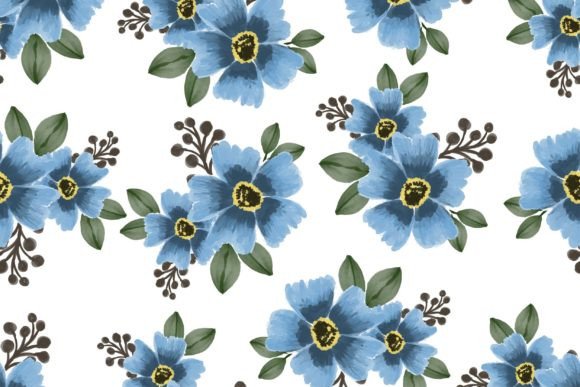
As a designer who spends more time behind an embroidery machine than a computer screen, I approach digital assets with a healthy dose of skepticism. When I first opened the Red Flowers. Watercolor Seamless Pattern, my immediate thought wasn't about how pretty it looked on a monitor, but how it would translate into thread. Watercolor aesthetics are notoriously difficult to replicate in machine embroidery because they rely on soft edges and color blending, whereas embroidery is inherently structured and layered. However, after reviewing this design for potential use in my own custom apparel line and client projects, I see significant promise for makers who understand how to bridge the gap between digital art and tactile reality.
First Impressions: Mood and Visual Personality
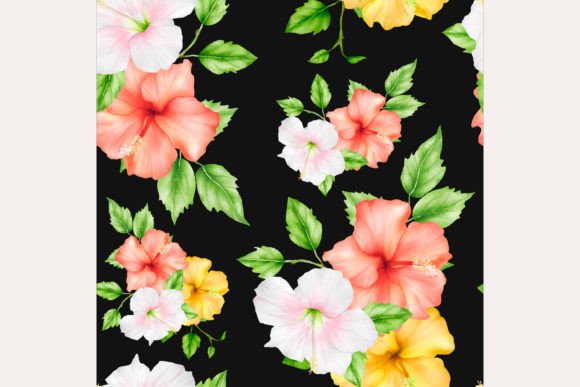
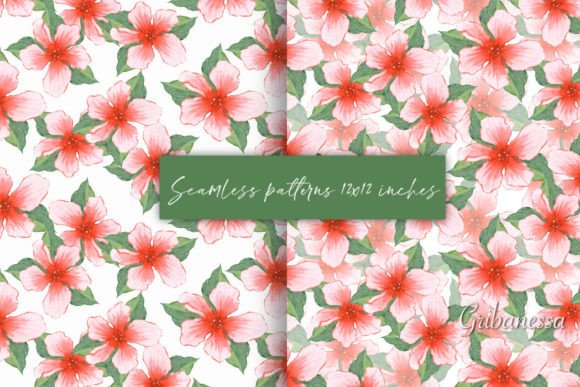
The initial impact of this pattern is undeniably romantic yet modern. The red floral motifs carry a vintage botanical illustration vibe, but the watercolor treatment softens the rigidity often associated with traditional floral embroidery files. For a creative entrepreneur or Etsy seller, this mood is gold. It strikes that delicate balance between nostalgic and contemporary, making it versatile enough for a bridal accessory or a trendy tote bag design. Visually, the layout feels organic rather than grid-locked, which is crucial for seamless patterns. When applied to fabric, it shouldn't look like a stamped repeat; it should feel like a continuous field of blooms. This visual personality suggests it belongs on items meant to be cherished, like personalized gifts or boutique merchandise, rather than utilitarian workwear.
Real-World Application: Stitching a Custom Tote Bag
To truly evaluate this asset, I mentally walked through a recent commission: a heavy canvas tote bag for a local florist’s branding. Canvas is unforgiving; it has a coarse texture that can swallow fine details. In this scenario, the Red Flowers. Watercolor Seamless Pattern serves as an excellent all-over print effect. Because tote bags are viewed from a distance and handled frequently, the watercolor style works in our favor. Slight registration shifts or texture variations that might ruin a portrait actually enhance the painterly illusion here.
For this project, I would treat the design as a background element rather than a focal point. Using a lighter stitch density for the "wash" areas and a satin stitch or thicker fill stitch for the flower centers creates necessary contrast against the canvas weave. If you are a small shop product creator, this application demonstrates high value. A plain canvas tote is a commodity; a tote featuring a lush, artistic floral field is a premium handmade product. Customers perceive the complexity of the pattern as added labor and artistry, justifying a higher price point for your finished product.
Navigating Fabric Challenges and Hoop Limitations
While the aesthetic is forgiving, the technical execution requires caution. Watercolor-style machine embroidery designs often utilize complex fill stitches to simulate shading. This brings us to the most critical warning: fabric stability. If you plan to use this pattern on stretchy fabrics like jersey knits for sweatshirt embroidery or baby clothes, you must use aggressive stabilization. A cut-away stabilizer is non-negotiable here. The sheer number of direction changes in a watercolor simulation can distort knit fabric, causing the garment to pucker or lose shape after washing.
Furthermore, consider your hoop size. Seamless patterns are deceptive; they look infinite on screen but require precise alignment in the hoop. If you are working with a smaller hoop, you risk visible join lines that break the watercolor illusion. For larger projects like pillow covers or blankets, ensure your embroidery file includes proper alignment marks. I also advise against using this specific aesthetic on highly textured terry cloth or fleece unless you add a topping. The fibers will poke through the simulated paint strokes, destroying the smooth gradient effect. Dark fabrics present another hurdle; watercolor relies on luminosity. On black or navy material, the red flowers may appear muddy unless you lay down a white underlay base first, which significantly increases stitch count and stiffness.
Commercial Viability for Makers and Sellers
For those running a craft business or selling on platforms like Etsy, this pattern offers strong commercial potential, provided you verify the licensing terms before listing. Assuming commercial rights are granted, this design excels in niche markets. Holiday embroidery comes to mind immediately; deep red florals are perfect for Valentine’s Day, Christmas, and autumn collections without being overtly seasonal clichés. They allow you to keep inventory relevant across multiple quarters.
Digital product sellers can also leverage this asset. Creating printable mockups using the Red Flowers. Watercolor Seamless Pattern allows you to showcase versatility without stitching every variation. However, transparency is key. Always distinguish between the digital embroidery file and the finished stitched product in your listings. Buyer engagement increases when customers can clearly visualize the texture. If you sell the digital file itself, include notes on recommended thread colors and stabilizer types. This reduces customer support questions and builds trust in your brand as a professional resource.
Designer Notes: Testing Before Committing
Never run a full production batch without a test stitch-out. This is the golden rule for any embroidery project, especially with artistic styles. Here is my practical checklist for evaluating this pattern:
- Stitch Density Check: Open the file in your editing software. Ensure the watercolor wash areas aren't too dense for lightweight fabrics. If they are, reduce the density manually to prevent bulletproof stiffness.
- Thread Color Contrast: Test on both white and cream fabrics. Red tones shift dramatically depending on the background. What looks vibrant on screen might look burgundy or brick on unbleached cotton.
- Wash Test: Embroider a swatch and wash it three times. Watercolor effects rely on thread sheen. If the threads fuzz up excessively after laundering, the artistic effect vanishes. Use polyester or high-sheen rayon threads for longevity.
- Scale Verification: Resize the design to your intended dimensions and check for gaps. Some seamless patterns break apart when scaled down below 75% or stretched beyond 125%.
- Licensing Confirmation: Before selling any custom apparel or digital assets derived from this pattern, double-check the specific license included with the download. Terms vary wildly between designers.
Elevating the Finished Product
Ultimately, the Red Flowers. Watercolor Seamless Pattern is a sophisticated tool for the experienced maker. It demands respect for the medium but rewards careful execution with a high-end, artisanal look. Whether you are creating a personalized gift for a wedding party or stocking your boutique with unique tea towels, success lies in treating the digital file as a starting point, not a final destination. By adjusting stabilizers, selecting appropriate fabrics, and testing rigorously, you transform pixels into a tangible piece of art that resonates with customers seeking genuine craftsmanship over mass-produced uniformity. Remember, in embroidery, the best design is one that respects the limitations of the needle while celebrating the beauty of the thread.