Striped Watercolor Texture: A Designer’s Real-World Embroidery Review
First Impressions: Soft Yet Structured Visual Energy
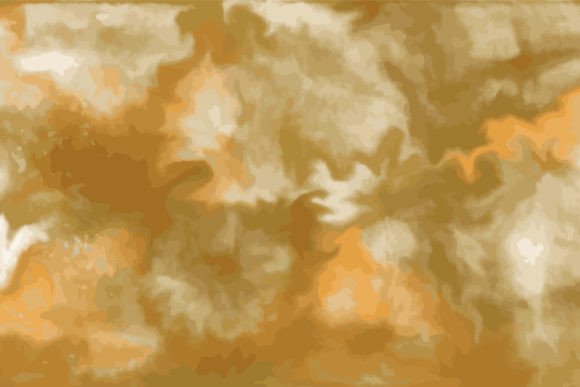
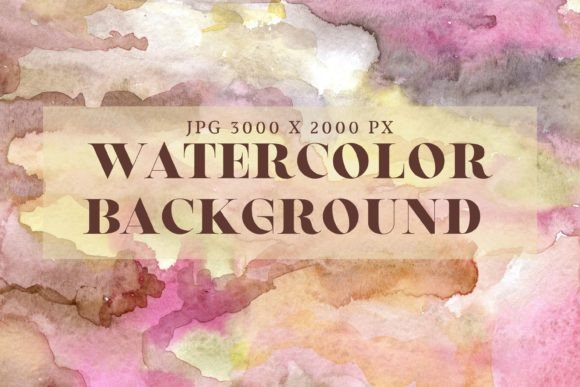
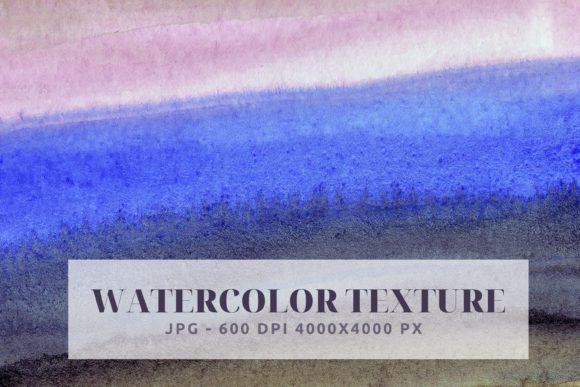
When I first opened the Striped Watercolor Texture embroidery file, what stood out was its unique balance between organic movement and structured layout. The design mimics soft brush strokes layered over clean, parallel stripes — giving it a modern, slightly abstract aesthetic. It's the kind of background pattern that doesn’t overpower a design but enhances it with depth and visual interest. From a designer’s perspective, this texture reads as both artistic and versatile, making it a strong candidate for a wide range of custom embroidery projects.
Real-World Use: From Tote Bags to Sweatshirts
I tested the Striped Watercolor Texture on a few different items — a linen tote bag, a cotton sweatshirt, and a baby onesie. The results were surprisingly consistent. On the tote, it added a subtle backdrop that elevated a simple monogram. On the sweatshirt, it stitched cleanly with minimal distortion, even across the thicker knit fabric. The texture gave the garment a handcrafted feel without looking cluttered. On the baby onesie, it added a soft artistic touch that felt appropriate for a gender-neutral design.
This background works especially well when layered under lettering or paired with a minimalist embroidered icon. It’s not just a filler — it’s a design enhancer. For Etsy sellers or small shop owners, this kind of texture can help differentiate your embroidered products from mass-produced alternatives.
Where It Shines: Commercial and Personalized Embroidery
One of the standout features of Striped Watercolor Texture is how well it translates across both personal and commercial embroidery. I used it in a small boutique project for embroidered aprons and found that it gave the product a boutique-level finish. The texture reads well in product photos and holds up to close inspection in person. For digital product sellers, this design would work well as part of a curated embroidery pack — especially for those marketing to creative entrepreneurs who value both style and usability.
It also performed well in holiday-themed projects, like embroidered tea towels and pillow covers. The soft watercolor effect gives it a seasonal flexibility — it doesn’t feel locked into one holiday or theme, which is a big plus for sellers looking to reuse designs across multiple product lines.
Where to Be Careful: Fabric and Fit Considerations
While the texture generally stitches well, there are a few limitations to note. On stretchy knit fabrics, the stripes can slightly warp if not hooped and stabilized properly. I noticed this most on a curved surface — like the front of a baseball cap — where the design had to conform to the shape. In that case, I had to adjust the stabilizer and hoop placement to keep the lines crisp.
Also, on very dark fabrics, the watercolor effect loses some of its subtlety unless paired with contrasting thread colors. I recommend testing thread combinations before stitching the final product. Similarly, in small hoop sizes, the texture can become too dense, losing the softness that makes it appealing. For intricate corners or tight spaces, consider scaling down or simplifying the layout.
Visual Impact and Customer Appeal
From a branding and customer trust standpoint, Striped Watercolor Texture adds a layer of sophistication to handmade and custom embroidered goods. It helps elevate a basic design into something that feels intentional and artistic. For personalized gifts — like embroidered baby blankets or custom pillows — this texture adds a boutique-level finish that customers appreciate.
It also contributes to brand consistency. If you're running a small craft business or Etsy shop, having a cohesive visual style is key. This background works well as a recurring design element across different product lines, helping customers recognize your work without repeating the same motifs.
Designer Notes: Practical Tips Before You Stitch
- Test on scrap fabric first — especially if you're using textured or stretchy materials.
- Check thread color contrast to ensure the watercolor effect remains visible on both light and dark backgrounds.
- Review stitch density — this design can be dense in smaller formats, so adjust as needed.
- Confirm hoop size compatibility — avoid using it in very small hoops without testing.
- Use proper stabilizer — especially for curved or stretchy surfaces like caps or baby clothes.
- Inspect small details — the fine lines in the watercolor strokes can get lost if not stitched correctly.
- Test in black and white mockups to see how it reads without color influence.
- Check licensing — confirm whether the design can be used for both personal and commercial embroidery projects.
Final Thoughts: A Flexible, Wearable Background for Real Projects
Overall, the Striped Watercolor Texture is a solid choice for designers and crafters who want to add depth to their embroidery without overcomplicating the design. It works well in both machine embroidery and applique setups, and adapts nicely to a variety of products — from custom apparel to boutique-style home goods. It’s not a one-size-fits-all solution, but when used thoughtfully, it can significantly enhance the visual appeal of your finished product.
For small business owners and Etsy sellers, this kind of background texture can help you stand out in a crowded market. It’s subtle enough to work across multiple design styles, yet distinctive enough to become part of your brand’s visual language. Just be mindful of fabric type, hoop size, and thread choice — and you’ll get a polished, professional result every time.