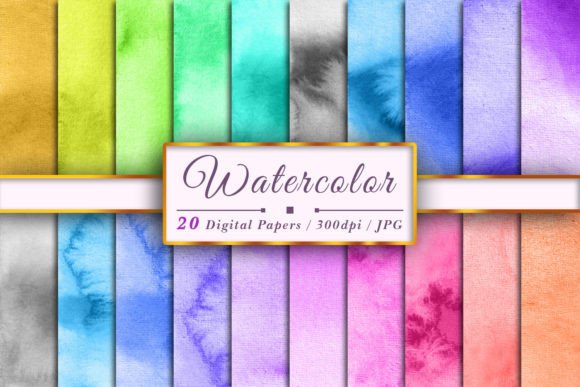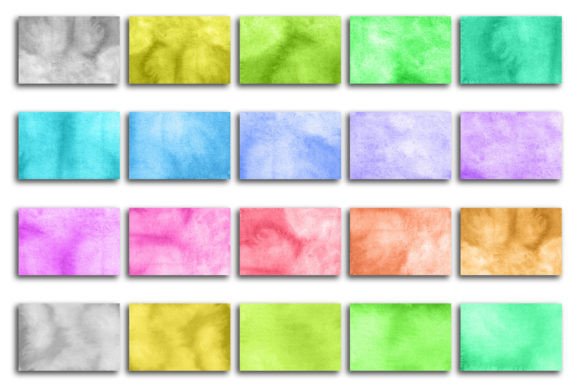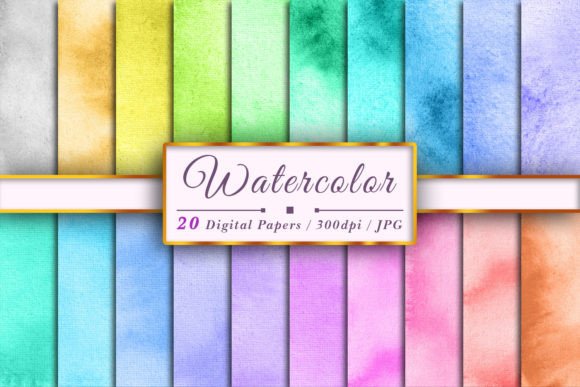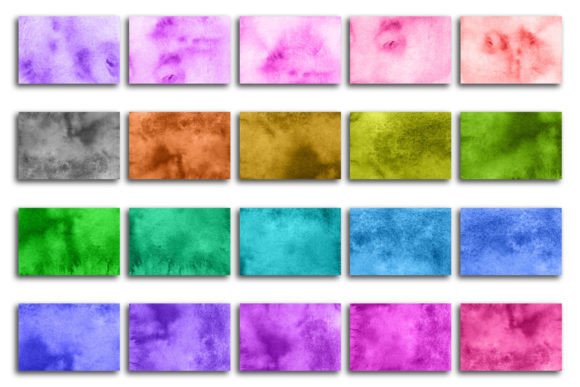
Watercolor Texture Sublimation Set 420 Review
First Impressions: Soft Aesthetics Meet Stitch Reality
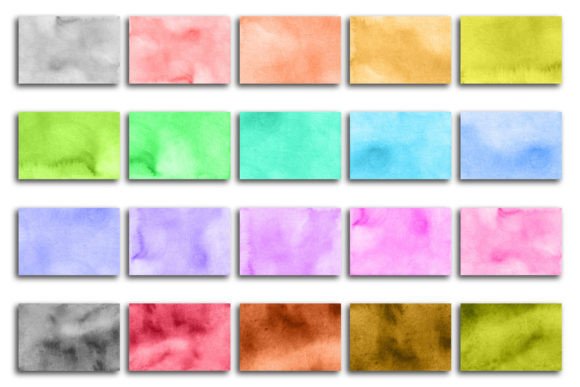
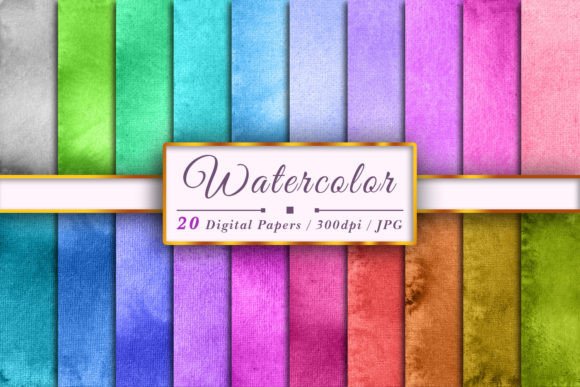
As a designer who constantly balances artistic vision with the mechanical limitations of embroidery machines, my first reaction to Watercolor Texture Sublimation Set 420 was one of cautious optimism. In the realm of digital design assets, watercolor backgrounds are incredibly popular for their organic, fluid aesthetic. However, translating that softness into a tangible machine embroidery design requires more than just pretty colors; it demands structural integrity. This set immediately strikes me as a versatile foundation for mixed-media projects rather than a standalone stitch-out. The visual personality is undeniably gentle and modern, evoking a sense of calm sophistication that is currently trending in boutique markets.
When evaluating this file, I am not looking at it merely as a background image but as a potential partner for appliqué or monogramming. The texture appears complex enough to hide minor stitching imperfections yet open enough to allow overlaid elements to breathe. For an Etsy seller or small shop owner, this specific mood bridges the gap between nursery decor and adult apparel, making it a high-value asset for businesses targeting multiple demographics. It feels less like a rigid graphic and more like a painted canvas waiting for thread.
Real-World Application: The Custom Tote Bag Test
To truly understand the utility of Watercolor Texture Sublimation Set 420, I mentally placed it into a current client project: a line of personalized canvas tote bags for a bridal party. Tote bags are a staple embroidery project, but they often suffer from looking too stiff or industrial. I envisioned using this watercolor texture as a sublimated base on poly-canvas, with a crisp white satin stitch monogram layered directly on top.
In this scenario, the design performs exceptionally well because it solves a common production headache. If I were to stitch out a full watercolor background, the stitch density would be unmanageable, resulting in a bulletproof patch that distorts the bag’s shape. By utilizing this set for sublimation, the color and depth are achieved without adding thousands of stitches. The embroidery machine then only needs to handle the lettering and perhaps a delicate running stitch border. This hybrid approach drastically reduces production time while elevating the perceived value of the finished product. Customers perceive the item as high-end custom apparel because the background looks hand-painted, while the personalization offers the tactile luxury of thread. For a craft business, this efficiency translates directly to better profit margins and faster turnaround times during peak wedding seasons.
Navigating Fabric Choices and Technical Constraints
While the aesthetic is forgiving, the technical application of Watercolor Texture Sublimation Set 420 requires careful consideration of substrate. Because this is categorized under Backgrounds, it is inherently designed to support other elements, but its success depends entirely on what lies beneath it.
- Polyester vs. Natural Fibers: Remember that true sublimation requires polyester content. If you plan to use this on 100% cotton tea towels or linen pillow covers, the colors will wash out unless you use a sublimation spray or coating. Always verify your fabric composition before committing to this design method.
- Stretchy Fabrics: On performance wear or stretchy knits, watercolor textures can sometimes highlight fabric distortion. If the garment stretches, the printed background may warp around the embroidered logo. Use appropriate stabilizer and consider testing on scrap fabric first to ensure the print aligns perfectly with the stitch registration marks.
- Dark Fabrics: Watercolor effects rely on light passing through layers of color. This set will likely lose its ethereal quality on black or navy garments unless you are printing a white underbase first. It is best suited for white, cream, or pastel bases where the transparency of the texture can shine.
- Curved Surfaces: Be cautious when applying this to caps or curved sleeves. The fluid nature of watercolor can look disjointed if the seam placement isn't precise. Flat items like aprons, blankets, and sweatshirt fronts are the safest bets for maintaining visual continuity.
Elevating Brand Value and Customer Trust
In the saturated market of handmade goods, presentation is everything. Using Watercolor Texture Sublimation Set 420 effectively signals professionalism. When a buyer sees a personalized gift where the background art seamlessly integrates with the embroidery, it builds trust. It shows that the maker understands color theory and production techniques beyond basic digitizing.
This design set also enhances the "giftability" of your products. A simple baby onesie becomes a keepsake when framed by a soft, dreamy watercolor wash. For holiday embroidery or wedding merchandise, this texture adds an emotional layer that solid block colors cannot achieve. Furthermore, for those selling digital products or printable mockups, this set provides a realistic preview environment. Showing clients exactly how their name will look against this specific texture reduces revision rounds and increases conversion rates. It transforms a generic listing photo into a cohesive brand experience.
Designer Notes: Best Practices Before You Stitch
Before loading Watercolor Texture Sublimation Set 420 into your workflow, take these practical steps to ensure commercial-grade results:
- Verify Licensing: Always confirm whether your purchase includes commercial rights for both physical products and digital mockups. Terms vary significantly between designers, and protecting your business starts with proper licensing.
- Test Color Contrast: Print the background and place your intended thread colors on top before stitching. Watercolor textures can sometimes compete with variegated or low-contrast threads. Ensure your embroidery stands out clearly against the printed backdrop.
- Check File Specifications: Do not assume hoop sizes or formats. Review the included documentation to ensure the dimensions fit your machine’s maximum embroidery area. Resizing sublimation files can sometimes lead to pixelation, so native size matters.
- Stabilizer Strategy: Even though the background is printed, the overlay embroidery still needs support. Use a cut-away stabilizer for knit fabrics to prevent the watercolor print from puckering around the dense satin stitch areas.
- Create Black and White Mockups: Test the design’s value structure by viewing it in grayscale. If the texture disappears or becomes muddy without color, it may not hold up on lighter fabrics or in certain lighting conditions for product photography.
Ultimately, Watercolor Texture Sublimation Set 420 is a powerful tool for the modern maker. It respects the tradition of needlework while embracing the efficiency of digital printing. Whether you are creating custom apparel for a boutique or designing unique patches for a craft fair, this set offers the artistic flexibility needed to stand out. Treat it as a collaborative element in your design process, test thoroughly, and let the soft elegance of watercolor elevate your next embroidery masterpiece.