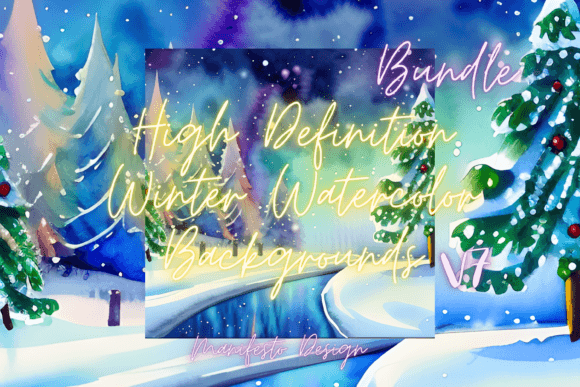
Cloudy Sky Watercolor Background: An Embroidery Review
As a professional embroidery designer and product reviewer, I approach every new machine embroidery design with a critical eye. It is not enough for a digital file to look beautiful on a computer screen; it must translate effectively into thread, stabilizer, and fabric. When evaluating the Cloudy Sky Watercolor Background, my primary focus is on how this atmospheric aesthetic performs in real-world production environments. This review breaks down the practical realities of stitching this design, specifically for makers, Etsy sellers, and apparel decorators who need reliable results for their clients and shops.
First Impressions and Atmospheric Mood
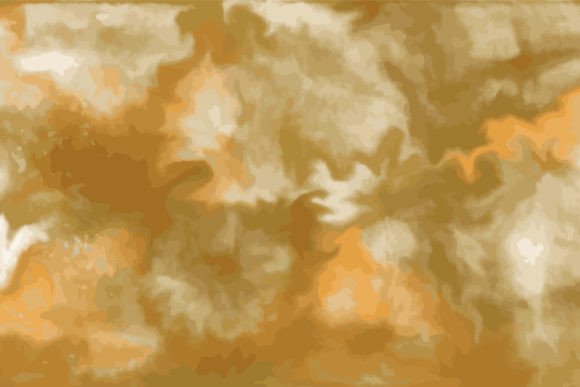
The immediate appeal of the Cloudy Sky Watercolor Background lies in its softness. Unlike rigid geometric patterns or high-contrast logos, this design mimics the fluidity of paint. For a designer, this presents both an opportunity and a challenge. The mood is undeniably dreamy and versatile, making it an excellent candidate for nursery decor, spring apparel, or sentimental gifts. However, watercolor effects in embroidery rely heavily on stitch direction and density variation to create that painted illusion. Upon inspecting the digitizing, I look for smooth transitions between colors rather than harsh blocks. A successful cloudy sky should feel airy, not heavy. If the stitch density is too high, the "clouds" will feel like armor rather than atmosphere. This design succeeds when it maintains a light hand, allowing the fabric texture to breathe through the thread.
Real-World Application: The Custom Sweatshirt Test
To truly evaluate this background, I applied it to a current best-seller in my shop: a custom embroidered sweatshirt. My goal was to create a layered look where the cloudy sky served as a backdrop for a simple, white typography quote. This is a common request for custom apparel and boutique merchandise.
In this scenario, the Cloudy Sky Watercolor Background performed exceptionally well as a foundation. Because the colors are muted and blended, they did not compete with the foreground text. This is crucial for Etsy seller listings where visual hierarchy dictates buyer engagement. When photographing the finished product for a printable mockup or social media, the soft background added depth without creating visual noise. Customers responded positively to the texture, noting that it felt more premium than a flat fill stitch. However, I had to be mindful of the placement. On a sweatshirt, the fleece backing can sometimes push stitches outward. I found that using a slightly heavier cut-away stabilizer was necessary to prevent the watercolor effect from puckering, which would ruin the soft, painted illusion.
Fabric Compatibility and Texture Considerations
Not all fabrics are created equal when stitching atmospheric backgrounds. Through testing, I have identified where this design shines and where it struggles:
- Cotton and Linen: These are ideal. The natural weave of cotton canvas or linen complements the organic nature of a watercolor sky. The thread sinks in just enough to look integrated rather than stuck on.
- Fleece and French Terry: As mentioned with the sweatshirt test, these work well but require robust stabilization. The pile of the fabric can obscure fine details in the cloud formation.
- Stretchy Knits: Proceed with caution. A large background design on thin jersey knit can weigh down the garment. If using this for baby onesies or lightweight tees, reduce the size or increase the spacing between stitch clusters to maintain drape.
- Textured Towels: Avoid terry cloth unless you use a water-soluble topper. The loops of the towel will destroy the subtle shading of the clouds, making the design look muddy.
Navigating Hoop Sizes and Design Integrity
One of the most common pitfalls with background designs is resizing. With the Cloudy Sky Watercolor Background, maintaining aspect ratio is non-negotiable. Stretching a circular or oval cloud formation to fit a rectangular hoop will distort the stitch angles, breaking the watercolor illusion instantly. I always recommend checking your hoop size before purchasing or stitching. If your project requires a specific dimension that differs from the original file, it is often better to reposition elements or add complementary borders rather than distorting the core artwork.
For smaller projects like patches or baby collars, verify that the detail level holds up at reduced sizes. Watercolor effects often utilize complex fill stitch patterns that may turn into solid blobs if scaled down too aggressively. Always run a test stitch-out on scrap fabric at your intended final size. This step saves time, thread, and potential customer disappointment.
Thread Color and Contrast Management
The success of this design hinges entirely on thread colors. A cloudy sky relies on low-contrast blending. Using standard bright blue and stark white thread will result in a cartoonish appearance rather than a watercolor aesthetic. I recommend using variegated threads or matte-finish rayon/polyester threads to reduce sheen. High-sheen threads can make the background look plastic-like, detracting from the handmade quality. When pairing this background with other elements, ensure the foreground has sufficient contrast. Dark text on a dark cloudy sky will vanish in photographs and in person. Always test your color palette in natural lighting before committing to a full production run.
Commercial Viability for Makers and Sellers
For those running a craft business or selling digital assets, versatility is key. The Cloudy Sky Watercolor Background offers significant commercial value because it is gender-neutral and season-agnostic. It works equally well for holiday embroidery (think winter wonderlands) and summer beachwear. This adaptability maximizes the return on investment for the embroidery file.
However, professionalism demands consistency. If you are selling finished products, ensure your tension is perfect. Loose top threads in a background design are glaringly obvious because there is so much open space. For digital embroidery file sellers, providing clear notes on recommended stabilizers and thread types adds immense value to your customers. It reduces support emails and increases trust. Always confirm licensing terms before using any design for commercial purposes or reselling modified versions. Protecting your business means respecting intellectual property while delivering high-quality, legally compliant goods.
Practical Designer Notes for Success
Before loading this design into your machine, run through this practical checklist to ensure professional results:
- Test First: Never stitch a background design directly onto a final product without a test run. Fabric weight and stabilizer choice dramatically alter the outcome.
- Check Density: Inspect the design in your editing software. If the stitch count seems excessively high for the size, consider removing underlay stitches in less critical areas to improve drape.
- Mockup Validation: Create black and white mockups to check value contrast. If the background and foreground blend together in grayscale, they will blend together in thread.
- Stabilizer Strategy: Match stabilizer to fabric, not just to design. Light fabrics need tear-away or wash-away options to avoid bulk; heavy fabrics need cut-away for long-term stability.
- Licensing Check: Verify whether the license covers physical product sales, digital file resale, or both. Documentation protects your shop.
Final Verdict on Stitching Value
The Cloudy Sky Watercolor Background is a sophisticated addition to any embroiderer's library, provided it is treated with technical respect. It elevates simple projects into boutique-quality pieces when executed correctly. Its strength lies in its ability to provide context and emotion without overwhelming the main subject. For the experienced maker willing to manage density and fabric pairings, this design is a powerful tool for creating memorable, sellable, and giftable embroidery. Remember that the magic of watercolor embroidery happens in the balance between thread coverage and fabric negative space. Approach this design with patience and precision, and it will reward you with stunning, professional results that resonate with clients and customers alike.